Responsible Dataset Curation and Usage in Video Generation Research

As video generation technologies powered by stable diffusion models continue to advance, the importance of responsible dataset curation and usage has become paramount. The quality, diversity, and ethical sourcing of training data directly impact not only the performance of these models but also their societal implications. This comprehensive discussion examines the critical considerations that academic researchers and practitioners must address when working with video training data.
The field of video generation research stands at a crossroads where technological capability must be balanced with ethical responsibility. Recent developments in stable diffusion architectures have demonstrated remarkable capabilities in generating high-quality video content, but these advances bring with them significant responsibilities regarding data sourcing, usage, and documentation. This article provides a thorough examination of best practices, ethical frameworks, and practical guidelines for researchers committed to advancing the field responsibly.
Understanding Licensing Requirements and Legal Frameworks
The foundation of responsible dataset curation begins with a thorough understanding of licensing requirements and legal frameworks governing video content. Researchers must navigate a complex landscape of copyright laws, creative commons licenses, and institutional policies that vary across jurisdictions and content types.
Key Principle:Every video included in a training dataset must have clear, documented licensing that explicitly permits its use for machine learning research purposes. Ambiguity in licensing should always be resolved in favor of exclusion rather than inclusion.
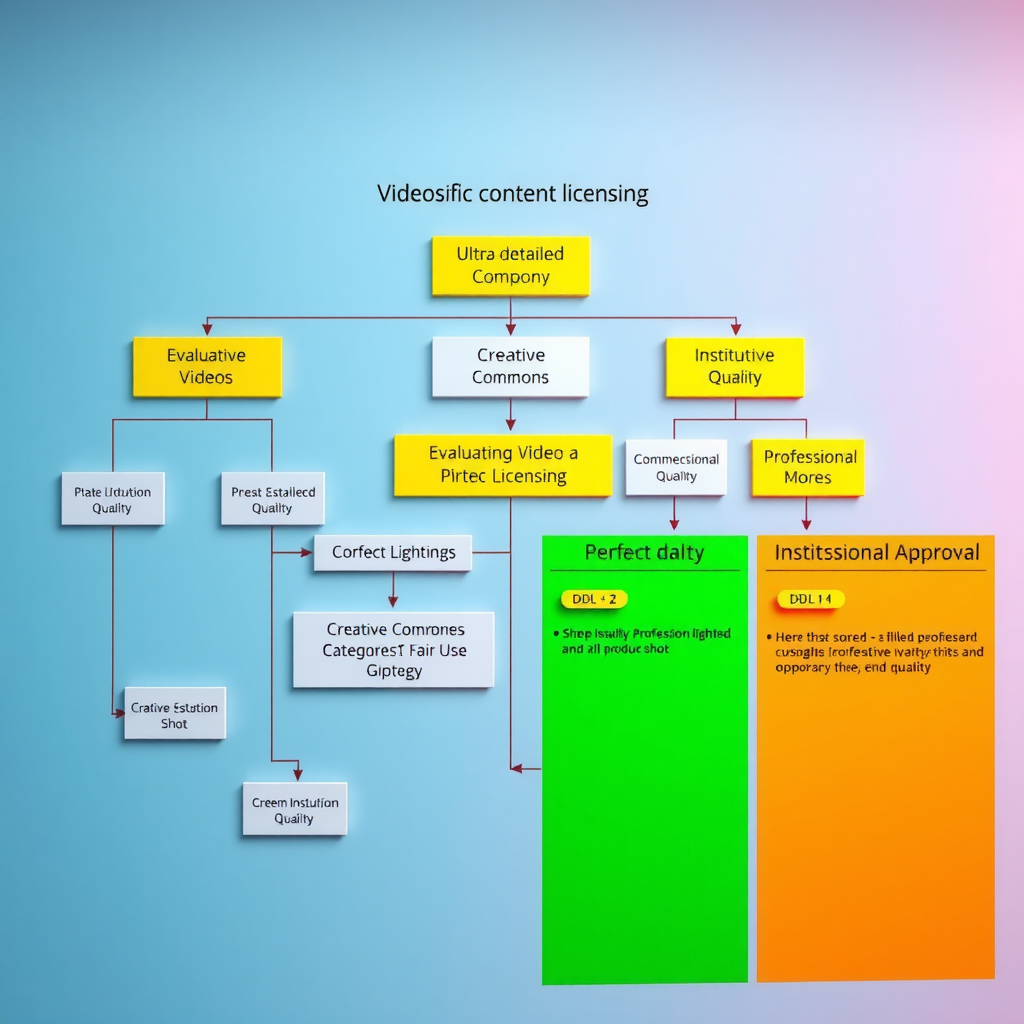
Creative Commons licenses provide a standardized framework for understanding usage rights, but researchers must carefully distinguish between licenses that permit commercial use, derivative works, and adaptation. For video generation research, licenses such as CC BY (Attribution) and CC BY-SA (Attribution-ShareAlike) are generally appropriate, while CC BY-NC (Non-Commercial) licenses require careful consideration of research context and intended applications.
Beyond creative commons frameworks, researchers must also consider fair use provisions, which vary significantly across jurisdictions. In the United States, fair use analysis involves four factors: the purpose and character of use, the nature of the copyrighted work, the amount used, and the effect on the market value. Academic research generally receives favorable consideration under fair use doctrine, but this does not provide blanket permission for all uses. Researchers should consult with institutional legal counsel when questions arise about specific content.
International considerations add another layer of complexity. The European Union's Copyright Directive, for instance, includes specific provisions for text and data mining in scientific research, while other jurisdictions may have different frameworks. Researchers working with international datasets must ensure compliance with the most restrictive applicable laws and consider implementing geographic restrictions on dataset distribution when necessary.
Implementing Comprehensive Attribution Practices
Proper attribution serves multiple critical functions in responsible dataset curation: it respects the rights and contributions of original content creators, enables reproducibility and verification of research findings, and maintains the integrity of the scientific record. Comprehensive attribution practices go beyond minimal legal requirements to embrace the spirit of open science and collaborative research.
A robust attribution system for video datasets should include several key components. First, each video entry must be linked to its original source with persistent identifiers such as DOIs, URLs with archive timestamps, or content hashes. Second, creator information should be preserved in a structured format that includes names, affiliations, and contact information when available. Third, licensing terms must be explicitly documented alongside each entry, including version numbers for creative commons licenses and any special conditions or restrictions.
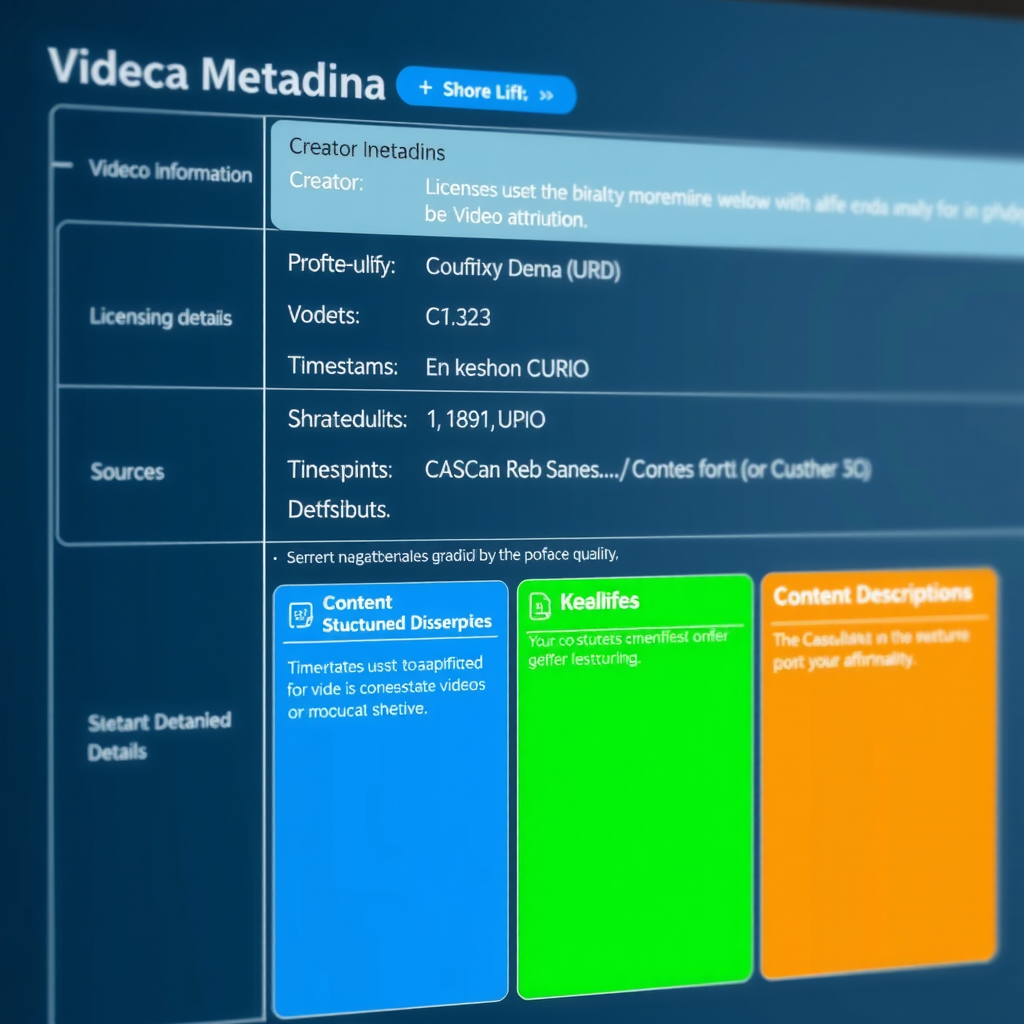
Dataset documentation should include a comprehensive attribution file that can be distributed alongside the dataset itself. This file should be machine-readable (such as JSON or CSV format) while also being accessible to human readers. For large-scale datasets, consider implementing a searchable attribution database that allows users to query specific videos or creators. This transparency not only fulfills ethical obligations but also enables other researchers to verify licensing compliance and build upon your work with confidence.
When publishing research based on curated datasets, attribution practices should extend to the research paper itself. Include a data availability statement that clearly describes how others can access the dataset, what licensing terms apply, and how to properly cite both the dataset and original content creators. Consider creating a dedicated dataset paper that provides comprehensive documentation of curation methodology, attribution practices, and usage guidelines. This approach has become increasingly common in the machine learning community and represents best practice for reproducible research.
Bias Mitigation Strategies in Dataset Curation
Bias in training datasets represents one of the most significant challenges facing video generation research. These biases can manifest in numerous ways: demographic underrepresentation, geographic skew, temporal bias, content type imbalance, and quality disparities. Left unaddressed, these biases become encoded in trained models and can perpetuate or amplify existing societal inequities.
Demographic representation requires careful attention to ensure that training data reflects the diversity of human experience. This includes representation across dimensions of race, ethnicity, gender, age, ability, and cultural background. However, achieving balanced representation is not simply a matter of quota-filling; it requires thoughtful consideration of context, authenticity, and the avoidance of stereotypical portrayals. Researchers should conduct systematic audits of dataset composition and actively seek out underrepresented perspectives.
Practical Bias Mitigation Checklist
- Conduct demographic audits using both automated tools and manual review
- Establish minimum representation thresholds for key demographic categories
- Document geographic and cultural diversity of content sources
- Analyze temporal distribution to avoid historical bias
- Evaluate quality metrics across demographic groups to identify disparities
- Implement stratified sampling strategies to ensure balanced representation
- Engage diverse stakeholders in dataset review and validation
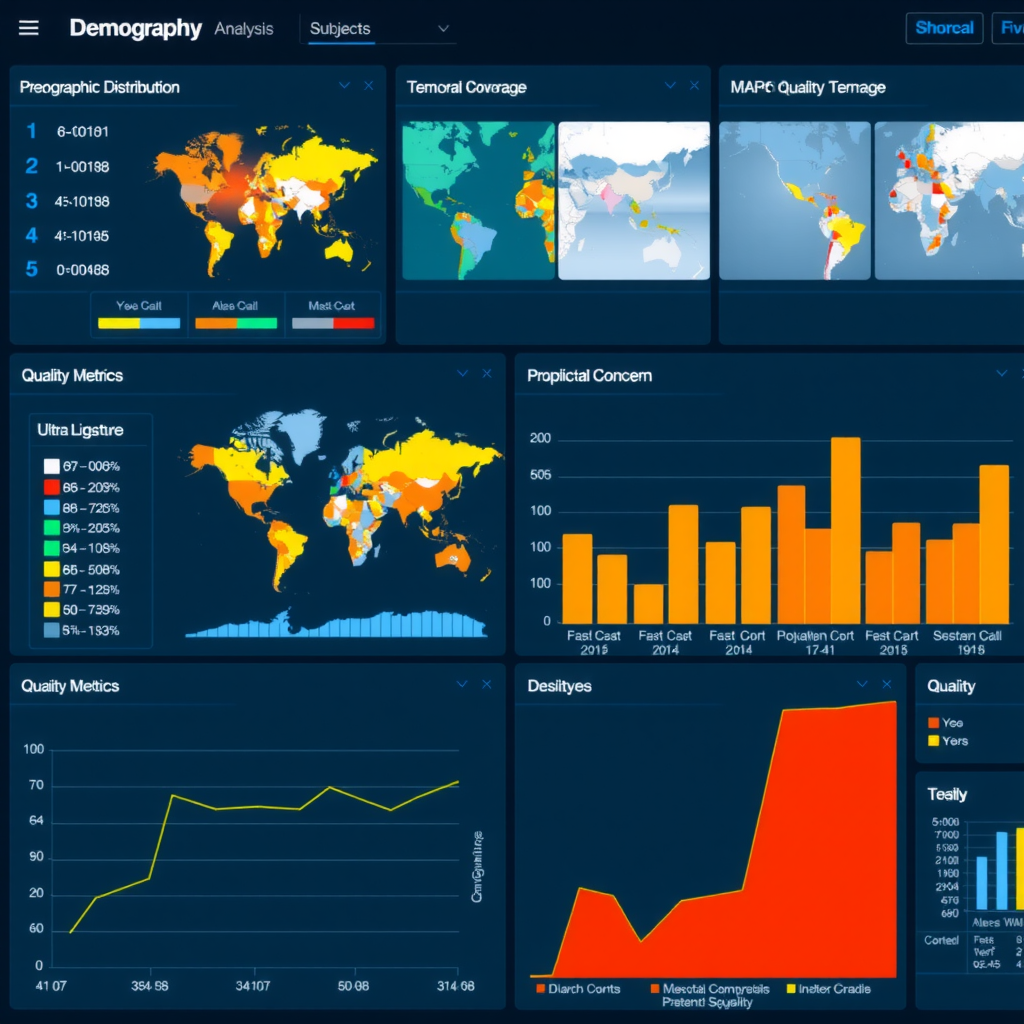
Geographic and cultural diversity presents unique challenges in video datasets. Content from Western, English-speaking countries tends to be overrepresented in many datasets due to factors including internet accessibility, content creation patterns, and researcher location. Actively seeking content from diverse geographic regions and cultural contexts helps create more globally representative models. This may require partnerships with international research institutions, engagement with multilingual content platforms, and investment in translation and cultural consultation.
Temporal bias occurs when datasets disproportionately represent certain time periods, potentially encoding outdated social norms, technologies, or visual styles. While historical content has value, researchers should ensure that contemporary perspectives are adequately represented. Additionally, consider how rapidly evolving technologies and social contexts might affect the longevity and relevance of curated datasets. Regular dataset updates and versioning can help address temporal drift while maintaining reproducibility of published research.
Quality disparities across demographic groups represent a subtle but pernicious form of bias. If high-quality video content disproportionately features certain demographics while lower-quality content features others, models may learn to associate quality with demographic characteristics. Researchers should analyze quality metrics (resolution, lighting, production value) across demographic categories and take steps to ensure balanced quality distribution. This might involve selective inclusion criteria, quality enhancement preprocessing, or explicit quality-aware sampling strategies.
Privacy Considerations and Data Protection
Privacy protection in video datasets requires careful attention to multiple dimensions of personal information. Unlike text or image datasets, video content often contains rich contextual information including faces, voices, locations, behaviors, and temporal patterns that can be combined to identify individuals even when explicit identifiers are removed. Researchers must implement comprehensive privacy protection strategies that go beyond simple anonymization.
The General Data Protection Regulation (GDPR) in the European Union and similar privacy frameworks worldwide establish important principles for handling personal data. These include purpose limitation (data should only be used for specified purposes), data minimization (collect only what is necessary), storage limitation (retain data only as long as needed), and accountability (demonstrate compliance with privacy principles). Even when research falls under exemptions for scientific research, these principles provide valuable guidance for ethical practice.
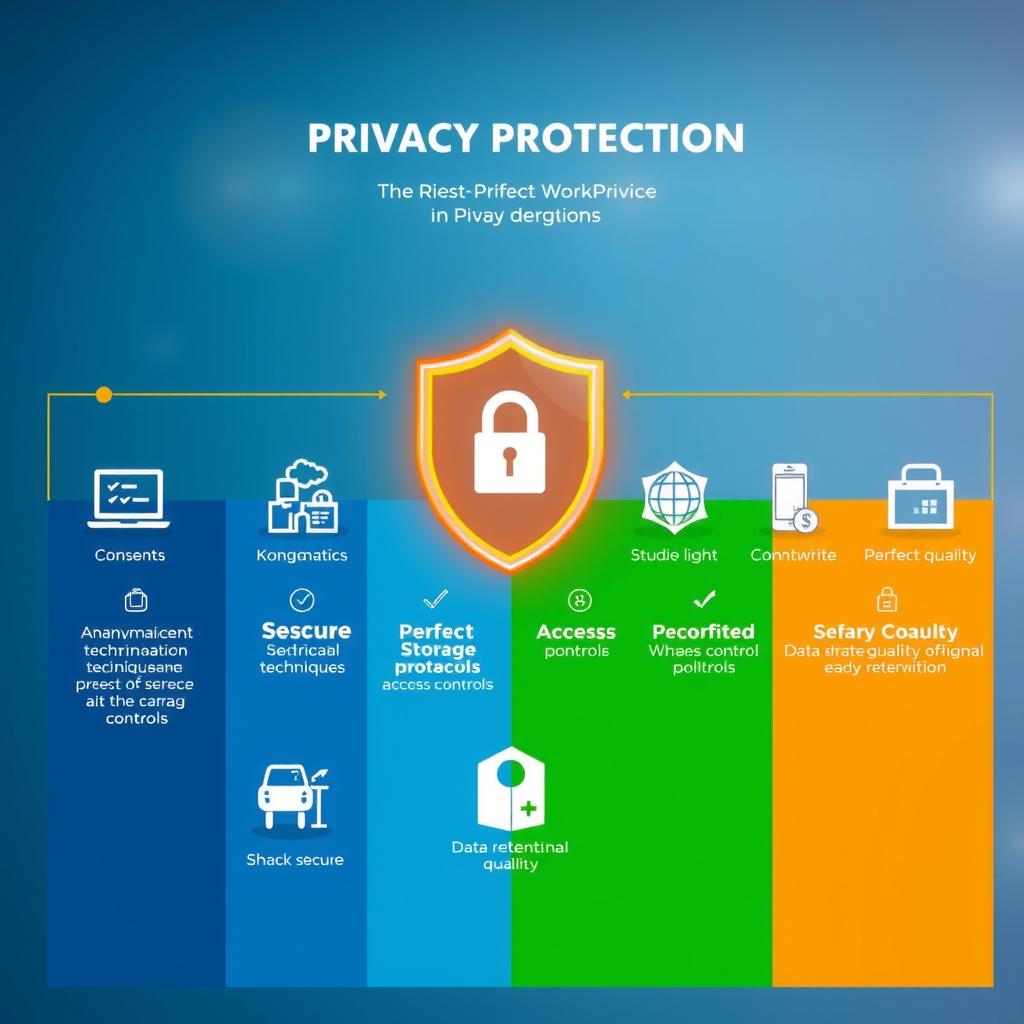
Informed consent represents the gold standard for privacy protection, but obtaining meaningful consent for video content used in machine learning research presents practical challenges. When possible, researchers should prioritize content where creators have explicitly consented to research use. For publicly available content, consider whether the original context of publication suggests reasonable expectations about research use. Content posted to research-oriented platforms or explicitly licensed for broad reuse generally presents fewer privacy concerns than content from personal social media accounts or private contexts.
Technical privacy protection measures should be implemented throughout the dataset lifecycle. This includes secure storage with encryption at rest and in transit, access controls that limit dataset availability to authorized researchers, audit logging to track data access and usage, and secure deletion procedures for data that is no longer needed. For datasets containing sensitive content, consider implementing tiered access systems where researchers must demonstrate specific need and appropriate ethical approval before accessing certain categories of data.
Anonymization and de-identification techniques can reduce privacy risks, but researchers must recognize their limitations. Simple face blurring may not prevent identification through other means such as voice, gait, context, or metadata. Consider whether privacy-preserving techniques like differential privacy or federated learning might be applicable to your research context. When anonymization is used, document the specific techniques applied and their limitations, and consider whether re-identification risks remain acceptable given the research value and public interest.
Ethical AI Frameworks and Institutional Guidelines
Numerous organizations and institutions have developed ethical frameworks for artificial intelligence research that provide valuable guidance for dataset curation. These frameworks typically emphasize principles such as fairness, accountability, transparency, and respect for human rights. Researchers should familiarize themselves with relevant frameworks and consider how their specific practices align with these broader ethical commitments.
The Montreal Declaration for Responsible AI emphasizes ten principles including well-being, autonomy, justice, and democratic participation. The IEEE's Ethically Aligned Design framework provides detailed recommendations for embedding values into autonomous and intelligent systems. The Partnership on AI has developed guidelines specifically for dataset documentation and responsible AI development. These frameworks share common themes while offering different perspectives and emphases that can enrich ethical reflection.
Institutional Review:Many research institutions require ethical review for studies involving human subjects or personal data. Even when not strictly required, voluntary ethical review can provide valuable external perspective and help identify potential issues before they become problems. Engage with your institution's research ethics board early in the dataset curation process.
Institutional guidelines often provide specific requirements for data management, privacy protection, and research conduct. These may include mandatory training in research ethics, data protection impact assessments, or specific approval processes for certain types of data. Researchers should view these requirements not as bureaucratic obstacles but as valuable safeguards that protect both research participants and researchers themselves. Proactive engagement with institutional processes demonstrates commitment to responsible research practice.
Beyond formal frameworks and institutional requirements, researchers should cultivate ethical awareness through ongoing education and reflection. This includes staying current with emerging ethical issues in AI research, participating in ethics-focused conferences and workshops, and engaging with diverse perspectives on technology and society. Consider forming or joining ethics discussion groups within your research community to share experiences and learn from others' approaches to ethical challenges.
Transparent Documentation and Reproducibility Standards
Comprehensive documentation serves as the foundation for reproducible research and enables critical evaluation of dataset quality and ethical practices. The machine learning community has increasingly recognized the importance of dataset documentation, with frameworks like Datasheets for Datasets and Data Statements providing structured approaches to documentation. These frameworks ensure that important information about dataset composition, collection methodology, and intended use is systematically recorded and communicated.
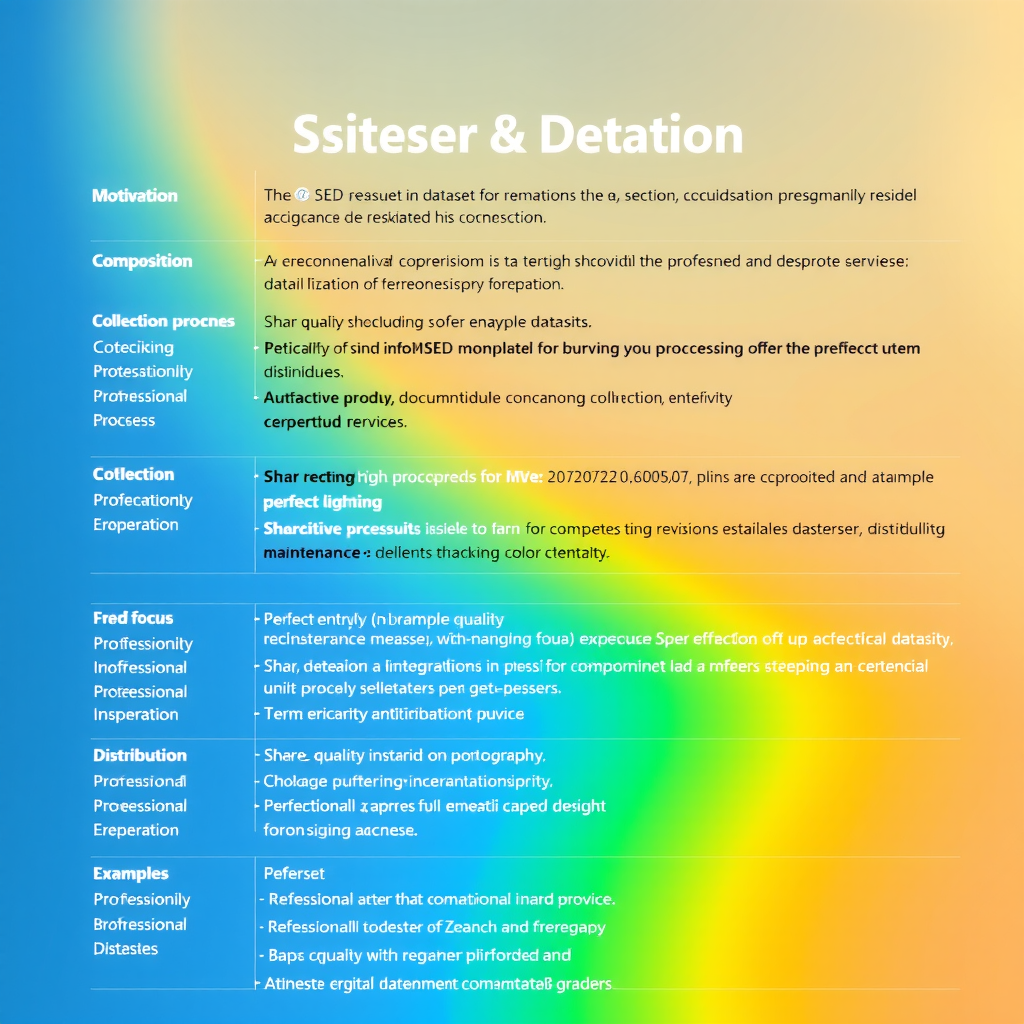
A complete dataset documentation should address several key areas. First, motivation and purpose: why was this dataset created, what problems does it address, and who funded its creation? Second, composition: what does the dataset contain, how many instances, what are the key characteristics, and are there any missing or incomplete elements? Third, collection process: how was data collected, who was involved, what tools were used, and what quality control measures were applied? Fourth, preprocessing and cleaning: what transformations were applied, what data was excluded and why, and how were errors or inconsistencies handled?
Documentation should also address intended uses and limitations. What tasks is the dataset suitable for? What are known limitations or biases? What uses should be avoided? This forward-looking documentation helps prevent misuse and sets appropriate expectations for dataset capabilities. Include specific examples of appropriate and inappropriate uses to provide concrete guidance for potential users.
Distribution and maintenance information ensures long-term accessibility and sustainability. How can others access the dataset? What are the licensing terms? Who maintains the dataset and how can they be contacted? Will the dataset be updated, and if so, how will versioning be handled? Consider using persistent identifiers like DOIs and depositing datasets in established repositories that provide long-term preservation guarantees. This ensures that your research remains reproducible even as institutional websites change or research groups evolve.
Transparency extends beyond static documentation to include ongoing communication with the research community. Consider creating a project website or repository that provides updates, addresses questions, and documents known issues. Establish clear channels for reporting problems or concerns about the dataset. This ongoing engagement demonstrates commitment to responsible stewardship and helps build trust within the research community.
Moving Forward: Building a Culture of Responsibility
Responsible dataset curation and usage in video generation research requires sustained commitment to ethical principles, technical rigor, and transparent communication. The practices outlined in this article—careful attention to licensing, comprehensive attribution, proactive bias mitigation, robust privacy protection, engagement with ethical frameworks, and thorough documentation—represent not isolated requirements but interconnected elements of a holistic approach to responsible research.
As the field of video generation continues to advance, researchers must remain vigilant about emerging ethical challenges and adapt practices accordingly. New technologies may introduce novel privacy risks or bias mechanisms. Changing social contexts may shift expectations about appropriate data use. Legal frameworks will continue to evolve in response to technological developments. Maintaining ethical research practice requires ongoing learning, reflection, and adaptation.
The research community has a collective responsibility to establish and maintain high standards for dataset curation and usage. This includes not only following best practices in individual research projects but also contributing to the development of community norms, participating in peer review with attention to ethical considerations, and mentoring the next generation of researchers in responsible practices. By working together to build a culture of responsibility, we can ensure that advances in video generation technology serve the broader public interest while respecting individual rights and promoting social equity.
The path forward requires balancing multiple considerations: advancing scientific knowledge while protecting privacy, promoting innovation while preventing harm, maintaining openness while respecting intellectual property, and pursuing efficiency while ensuring fairness. These tensions cannot be resolved through simple formulas or universal rules. Instead, they require thoughtful judgment, stakeholder engagement, and willingness to prioritize ethical considerations even when they complicate or constrain research activities.
Key Takeaways for Researchers
- Prioritize clear licensing documentation and legal compliance from the outset of dataset curation
- Implement comprehensive attribution systems that respect creator rights and enable reproducibility
- Conduct systematic bias audits and actively work to ensure diverse, representative datasets
- Protect privacy through technical measures, informed consent, and careful consideration of re-identification risks
- Engage with ethical frameworks and institutional guidelines to inform research practices
- Provide transparent, comprehensive documentation that enables critical evaluation and responsible use
- Contribute to building a research culture that values ethical considerations alongside technical innovation
Ultimately, responsible dataset curation and usage is not about constraining research but about ensuring that research advances serve human flourishing and social progress. By embracing these principles and practices, researchers in video generation can contribute to a future where powerful AI technologies are developed and deployed in ways that respect human dignity, promote fairness, and benefit society as a whole. The choices we make today in how we curate and use training data will shape the capabilities and impacts of video generation systems for years to come. Let us choose wisely and responsibly.